One Popcorn, Two Balcony Seats: Seven Restored Movie Palaces for a Weekday Matinee
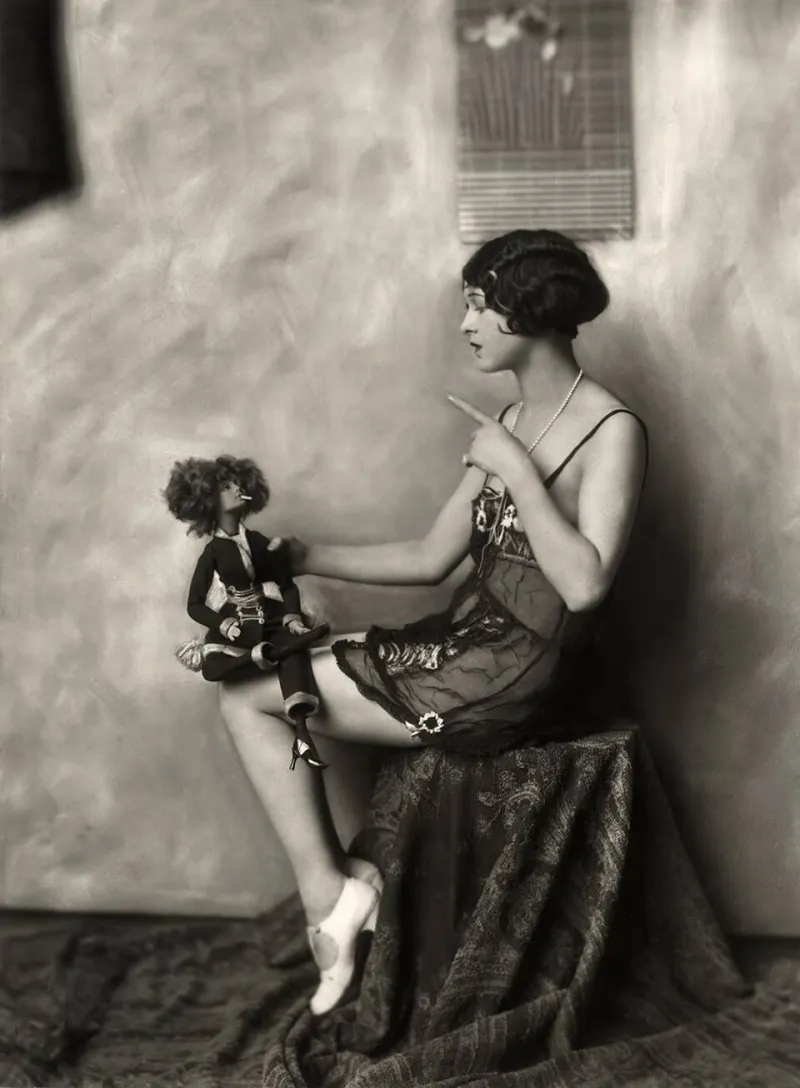
Photo: Alfred Cheney Johnston, Public domain, via Wikimedia Commons
There's a specific sound a big old theater makes when the lights come down. The curtain drags, the room settles, and a few hundred empty seats stop rustling all at once. If you time it right — and by "right" I mean a Tuesday at 1:40 in the afternoon — you can get that sound almost entirely to yourselves, with a shared popcorn balanced between you and no one behind you kicking the seat.
That's the whole argument for the matinee. Not the movie. The room. These seven palaces were built in the 1920s and '30s by people who thought a night at the pictures should feel like entering a courtyard in Seville or a temple in Mysore, and most of them have been restored by people who still believe it. Pick one, take the early show, and let the afternoon belong to you.
Why the Weekday Show Beats the Saturday Night
A palace on a Saturday is a party you weren't invited to. A palace on a Wednesday is a library with better lighting. Weekday matinees tend to draw a specific crowd — retirees, film students, a handful of people who clearly called in sick to be there — and they sit quietly and laugh at the right moments. Ticket prices are lower, the balcony is usually open, and the organist (many of these places still have one) plays to a room that actually listens.
A few ground rules. Check the calendar before you go, because most of these venues run repertory screenings, festivals, and film series rather than first-run features. Buy the balcony if there is one. Share one popcorn, and get the real butter if they offer it. And leave a buffer after the credits for a walk — the entire point of the afternoon is the part where you're still together afterward.
Tampa Theatre — Tampa, Florida
Built in 1926, this one is designed as a Mediterranean courtyard at dusk, complete with a ceiling of twinkling stars, gargoyles perched near the proscenium, and a Mighty Wurlitzer that rises out of the floor before the show. Walk in from the Florida sun and your eyes need a second to adjust; give it a minute and the ceiling comes into focus.
The ritual: catch the early afternoon show, then take the ten-minute walk down Franklin Street toward the Riverwalk. If the light is going gold over the water, sit on a bench near the Tampa Museum of Art and let the traffic noise stay where it is.
The Fox Theatre — Atlanta, Georgia
The Fox is the biggest swing in this lineup — a 1929 Moorish fantasia on Peachtree with an interior that looks like a North African courtyard after a very generous renovation budget. The Mighty Mo organ rises from the pit before screenings, and the ceiling does the whole artificial-sky number with clouds and stars.
The ritual: arrive early enough to walk the lobby twice, because the lobby is half the show. Afterward, head north into Midtown's residential blocks — the ones with the old apartment buildings and the magnolias — and walk until you find coffee.
The Byrd Theatre — Richmond, Virginia
A 1928 neighborhood house in Carytown with a Wurlitzer that never left, a Moroccan-inspired interior, and tickets that have long hovered near the price of a fancy coffee. It's the least self-conscious of the palaces on this list and possibly the most beloved.
The ritual: the Byrd sits in the middle of Carytown, so the walk afterward is the easy part. Two blocks in either direction gets you a decent cup of something, a bookstore, and a stretch of storefronts worth slowing down for.
Music Box Theatre — Chicago, Illinois
Opened in 1929, the Music Box was built with an Italianate garden inside it — a ceiling of twinkling stars, false balconies, vines painted up the walls. During the silent era they ran a three-manual organ; these days it's a beloved home for independent and repertory film.
The ritual: the theater anchors the Southport Corridor, which is exactly the kind of street made for a slow walk with nowhere to be. Pick a direction, stop somewhere small for dinner, and mention the ceiling at least once.
Stanford Theatre — Palo Alto, California
A 1925 house restored with an almost alarming amount of care, right down to the marquee and the interior's warm apricot glow. It programs classic Hollywood, often as double features, with an organist playing before the first film — a genuinely old-fashioned way to spend an afternoon.
The ritual: walk out onto University Avenue and head toward the campus. Live oaks, sandstone, and a few blocks where the pace drops noticeably. If you stay for both halves of a double feature, you'll emerge into dusk with the whole evening still ahead of you.
Oriental Theatre — Milwaukee, Wisconsin
A 1927 "movie cathedral" with an East Indian decorative scheme — elephants, Buddhas, elaborate plasterwork — that has survived into a second life as Milwaukee Film's flagship. It's ornate in a way that makes you whisper without being told to.
The ritual: afterward, walk east on Farwell toward the lake. It's maybe twenty minutes to the water in good weather, and the neighborhoods along the way are full of porches and old trees.
Coolidge Corner Theatre — Brookline, Massachusetts
Smaller, later, and art deco rather than exotic-revival — a 1933 house that has become one of the best-loved repertory cinemas in the Boston area. The auditoriums are intimate enough that a shared armrest feels less like a negotiation and more like the arrangement.
The Ritual, One More Time
Early show. One popcorn. Balcony if it exists. Hand off the armrest dispute before the lights go down, and put your phone away for two hours. Then walk — even ten minutes, even in the cold — because the walk is where the afternoon turns into a memory instead of an errand.
And check the calendar. Some of these palaces only run films a few nights a week; a couple of them close for private events more often than you'd guess. The one who does the checking gets to choose the seats.