Twelve Inches of Marble: Why the Best Table for Two Might Be a Stool at the Pass
You know the moment. You booked six weeks out, you're seated at a two-top that could comfortably hold four, and the liveliest thing in the room is the couple next to you narrating their kitchen renovation. Twelve feet away, two people are watching a cook fold a sheet of pasta and having the best conversation of their whole trip.
That's not luck. It's a decision you can make on purpose.
The booth is a stage set. The counter is a room.
White tablecloths do one thing beautifully: they make a couple who already have plenty to say feel like the only people in the world. They do another thing badly: they make a couple who are still figuring each other out feel like they're on a job interview with worse lighting.
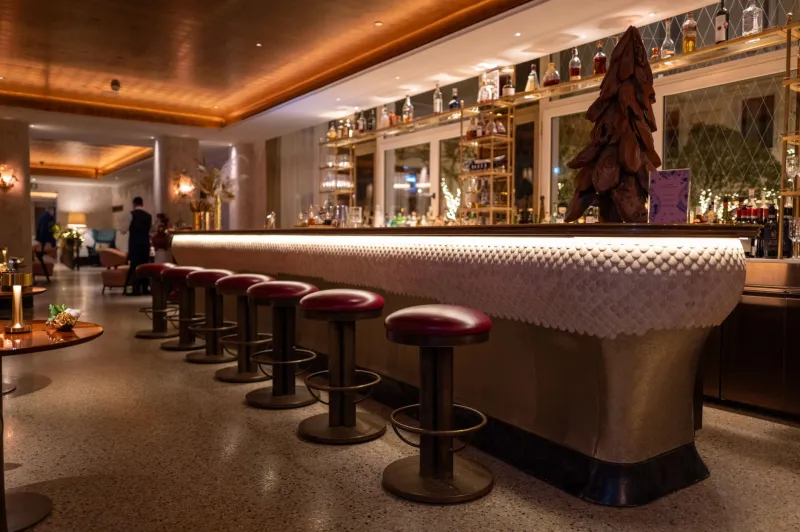
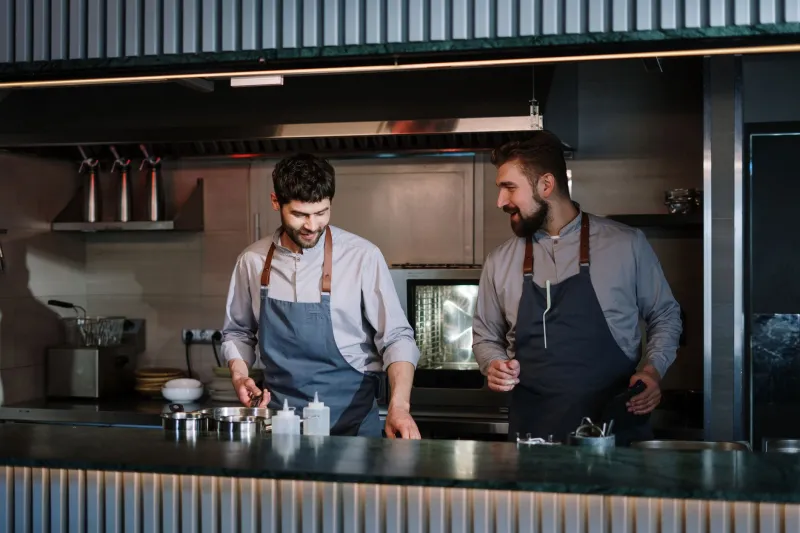
A counter flips the physics. You're side by side instead of nose to nose, so you're both looking at the same thing — a cook searing something in a pan the size of a hubcap, a pastry chef plating three desserts at once like she's defusing a small bomb. The pressure to produce eye contact and a steady stream of sentences lifts. Conversation gets to be reactive instead of performed. You lean in to hear each other over the fan, and the leaning in is half the romance.
There's also the small, underrated thrill of being close to the machinery. You watch the expediter call a ticket and thirty seconds later a plate lands in front of you. That's theater, and theater is a better third wheel than a bread basket.
Seven counters worth building a weekend around
What follows isn't a ranking. It's a short list of cities where the counter is the reason to go, with the honest logistics attached — because the difference between a great counter night and a frustrating one is usually whether you understood the seating rules before you got in the car.
New York: bar seats in Williamsburg
The Four Horsemen is a natural-wine bar with a small kitchen that punches far above its square footage, and the bar is where you want to be — close enough to watch plates leave the pass. Bar seats are largely walk-in; show up in the late-afternoon lull rather than at prime time and you'll usually get two together. Order the bread, whatever the kitchen is doing with shellfish, and let the server steer you toward a bottle with a label you can't pronounce. Budget the rest of the evening for a walk toward the water.
Seattle: the counter in Ballard
The Walrus and the Carpenter made its name on oysters and a room that feels like a very good friend's kitchen, and the counter is the whole point. Reservations cover the tables; the counter is a show-up-and-hope situation, so aim for opening or the 3-to-5 dead zone. A dozen oysters, the fried something, two glasses of something cold. Then walk it off along the locks and call it a night before the neighborhood gets loud.
Portland: the ticketed chef's counter
Langbaan runs a small, ticketed Thai tasting menu in the back of a restaurant, and it is exactly the kind of thing a couple plans a weekend around — twenty-odd seats, one seating, no decisions to make once you sit down. Tickets post in monthly drops and vanish fast, so set a calendar alert and be logged in and ready the minute they go live. Eat everything. Ask questions. Tip well.
San Francisco: the walk-in counter
State Bird Provisions holds a meaningful share of its seats for walk-ins, and the counter is the front row for a menu that arrives on dim sum carts. Get there before opening, put your name down, and use the wait for a drink nearby rather than standing in a sad clump on the sidewalk. The pancakes are the thing everyone mentions; the thing you'll remember is the pleasure of saying yes to a plate you didn't plan on.
New Orleans: the bar at a grown-up bistro
Herbsaint's bar is the move when you want the food of a white-tablecloth restaurant without the formality of one. Bar seats turn over faster than the dining room, which means a same-week plan isn't hopeless. Order the gumbo, order whatever's fried, and split one dessert with two forks because you're on vacation and the rules are different.
Austin: the butcher-shop counter
Dai Due is a butcher shop with a dining room attached, and sitting at the counter puts you in the middle of a kitchen that takes Texas ingredients seriously without being precious about it. Weekend brunch is the easier reservation; dinner is worth the effort. Start with the house sausage and the pickles, then follow the server's lead on whatever came in that morning.
Philadelphia: the bar that beats the dining room
Zahav's bar seats are frequently more attainable than its tables, which is a useful thing to know if you decided on a long weekend roughly nine minutes ago. Go early in the evening, order the hummus and the messy, hands-on things, and let the room fill up around you. There's a particular happiness in being halfway through a great meal while a line of hopeful people forms at the door.
Keeping the conversation alive when the kitchen is the show
There's a failure mode here: two people staring silently at a cook for ninety minutes and calling it a date. A few habits fix it.
Ask the cook a real question. Not "what's good" — ask what just came out of the oven, where the fish is from, whether the sauce is supposed to be that color. People who work a station all night are usually delighted to talk about one specific thing for forty-five seconds.
Play three bites. Every dish, you each get a bite in silence, then a verdict. It's a game, it fills the gaps, and it stops you from narrating your own meal like a podcast.
Order less than you want. Counters move fast. A tight four-plate arc keeps you talking between courses instead of chewing through them.
Sit on the same side of the corner. If the counter bends, take the bend. You'll be able to hear each other and you'll both have the same view.
Leave at the right time. The best version of this evening ends while the kitchen still has energy, with a walk and a debrief, not with the two of you waiting for a check in a room that's gone quiet.
The bill, the walk, the debrief
The counter costs less than the dining room and gives back more. That's the whole pitch. You get the food, the room, the person you came with, plus a show and a running commentary you'll still be quoting in the Lyft.
Fair warning: it ruins banquettes for you. After a few of these, a table for two facing a wall starts to feel like a missed opportunity.